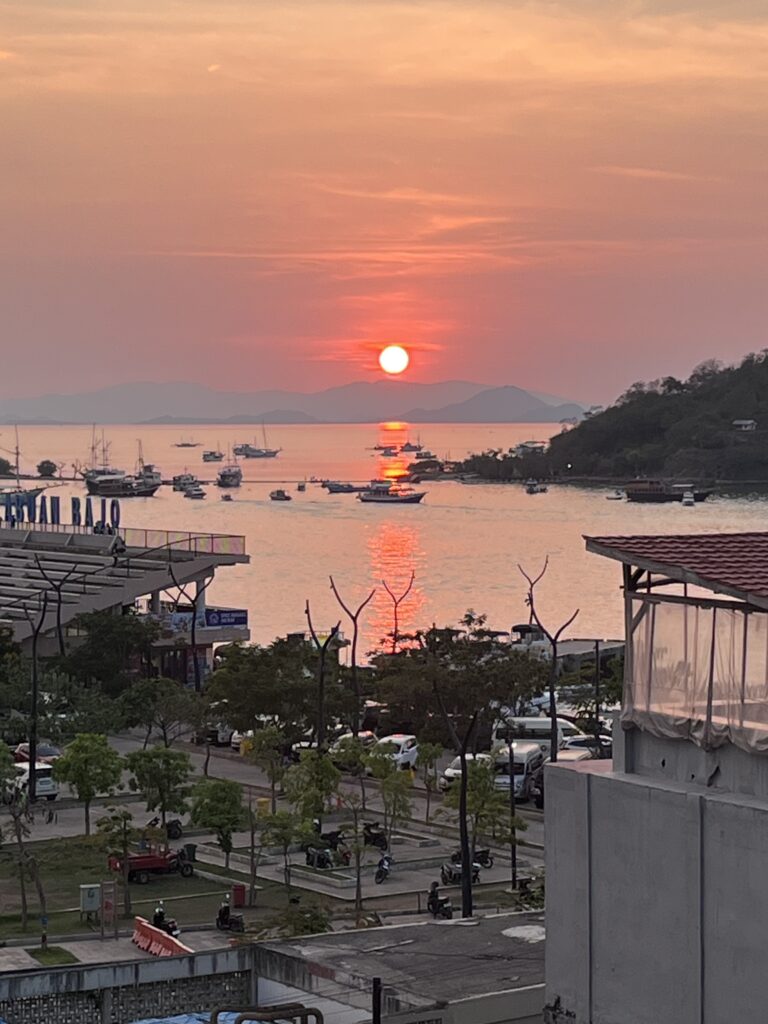
Indonesia is the world's largest archipelago.
I've already written about one of its most popular destinations: Bali. Bali.
Today, I want to tell you about a different side of Indonesia one that's less visited and far less talked about: Labuan Bajo.
Many travelers see it as nothing more than a gateway to Komodo National Park.
But in reality, this is where one of the country's most unforgettable experiences begins.
Labuan Bajo is a small port town on the island of Flores.
It's well-organized, lively, and still manages to preserve its authentic local character.
How to Get to Labuan Bajo
The easiest way to reach Labuan Bajo is by taking a domestic flight from Bali or Jakarta. The journey takes about an hour and a half, with round-trip fares usually starting at around €100.
Along the way, you'll fly over Lombok and countless small islands before landing at the airport, where the usual taxi drivers will be waiting and ready to negotiate the fare.
What Is Labuan Bajo Like?
The town center is small and compact, you can easily explore it on foot in about half an hour.
It's a growing town: clean, with modern developments, and especially lively in the evening.
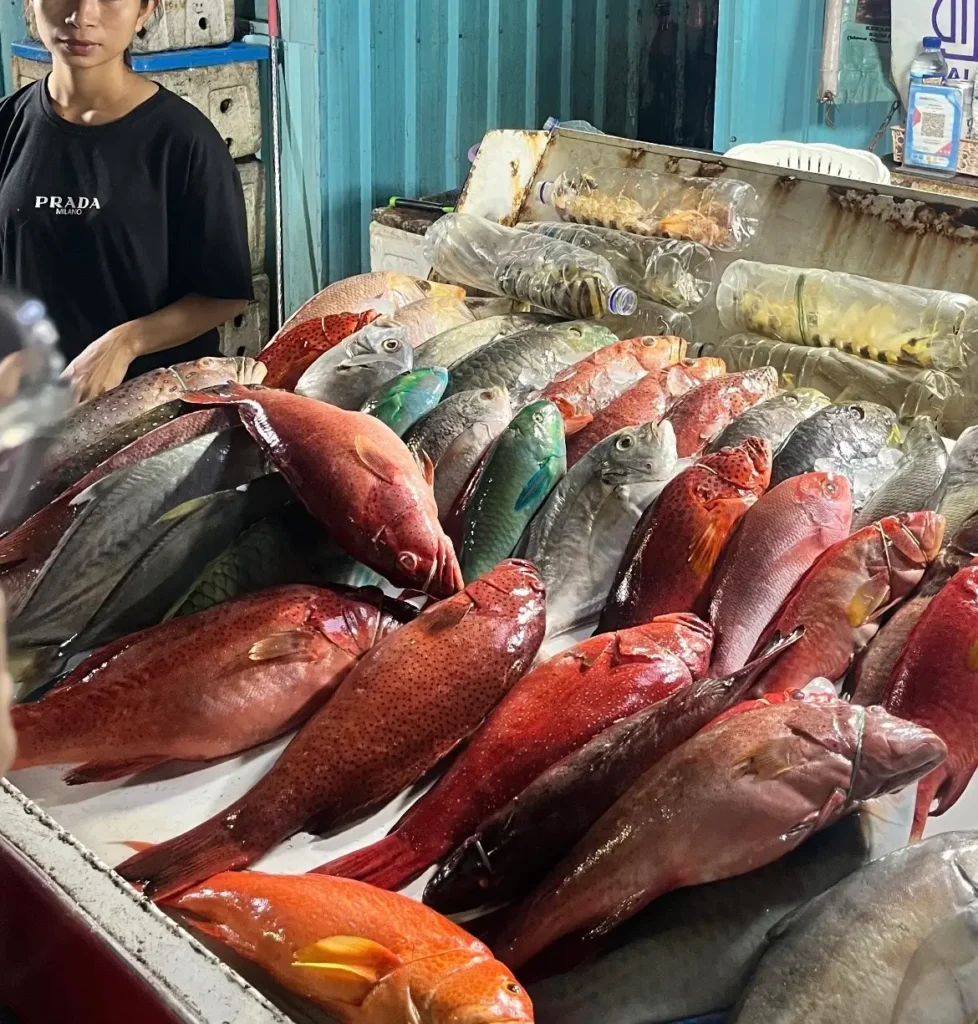
In the evening, as the sun sets, the area around the harbor comes alive with a different atmosphere: small warungs, local fish markets, and open-air grills.
warung, piccoli mercati di pesce, griglie accese.
It's not a destination that's famous for iconic landmarks.
Instead, it's one of those places that stays with you.
Point to the fish you want, and they'll grill it right in front of you while you enjoy the sea view.
Simple.
Authentic.
Things to Do in Labuan Bajo
Labuan Bajo is the starting point for many excursions, but it's well worth staying a little longer to explore everything the surrounding area has to offer.
You can book tours online (through platforms like GetYourGuide) or arrange them locally, which is often the more flexible option.
Rangko Cave
The day starts early, as most excursions here do.
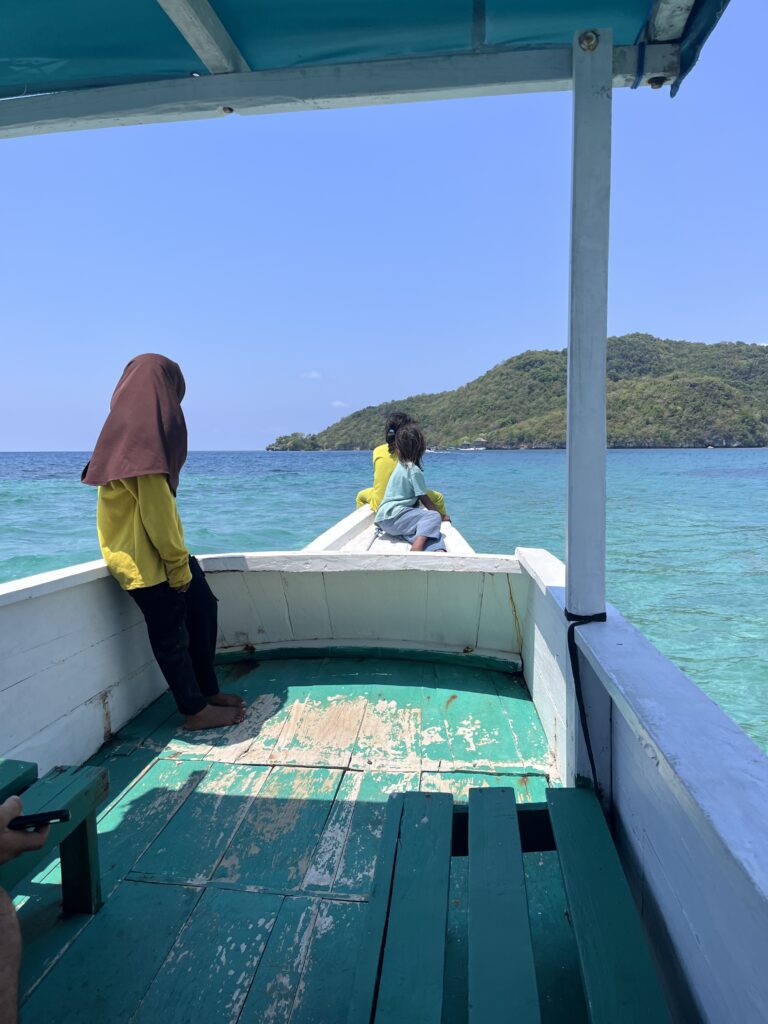
First, you'll drive to the village of Rangko, where you'll board a small local boat.
In my case, I was traveling with a local man and his three daughters, one of those spontaneous moments you simply can't plan. About twenty minutes later, we arrived, spotting a few turtles along the way.
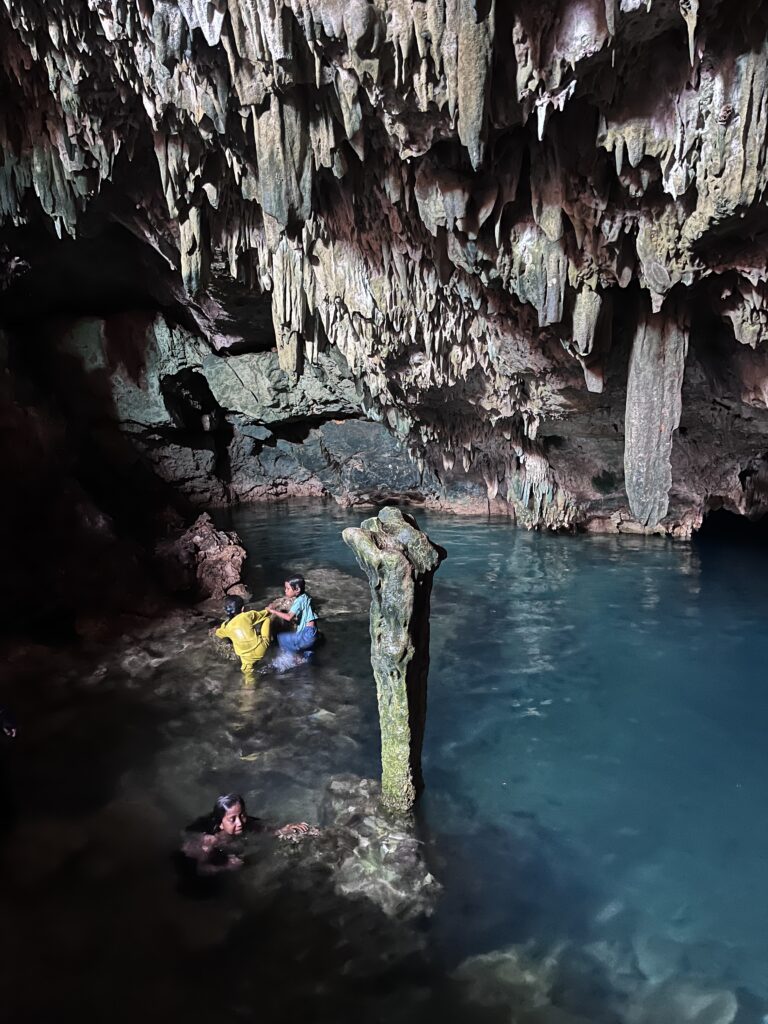
The cave itself is simple but fascinating, with stalactites and crystal-clear water shared by only a handful of visitors.
I visited at the end of September.
We swam, played with the local children, and ended up making friends who stayed with us throughout the visit.
Batu Cermin Cave (Mirror Cave)
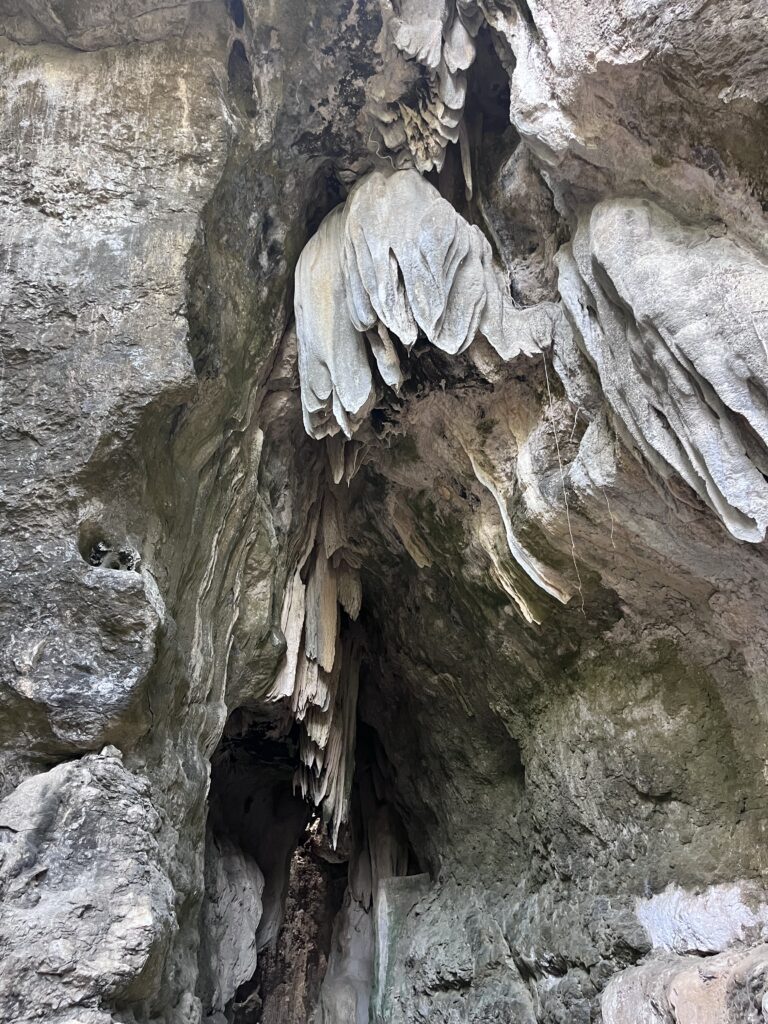
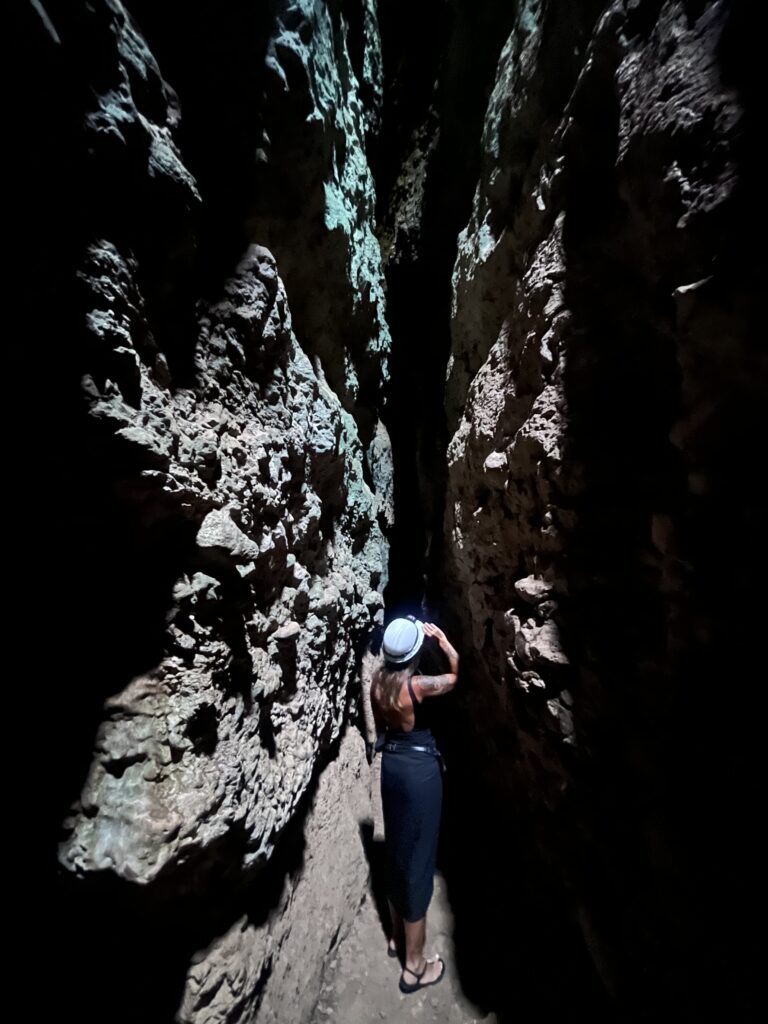
The Batu Cermin Cave is one of the easiest excursions to do.
You can get there on your own by car or hire a local guide at the entrance.
The visit lasts about an hour, but the real highlight is something else.
The name "Mirror Cave" isn't a coincidence.
Sunlight enters through small openings and reflects off the limestone walls, creating fascinating patterns of light.
This phenomenon only occurs at certain times of the day (late morning or early afternoon).
What makes this cave truly fascinating, however, is its origin.
It was formed when the entire area was submerged beneath the sea.
Even today, you can still see marine fossils embedded in the cave walls.
In a way, it's like walking through an ancient ocean.
Outside, you'll find dense vegetation, monkeys, and during my visit, I even spotted a bright green tree snake.
Komodo National Park
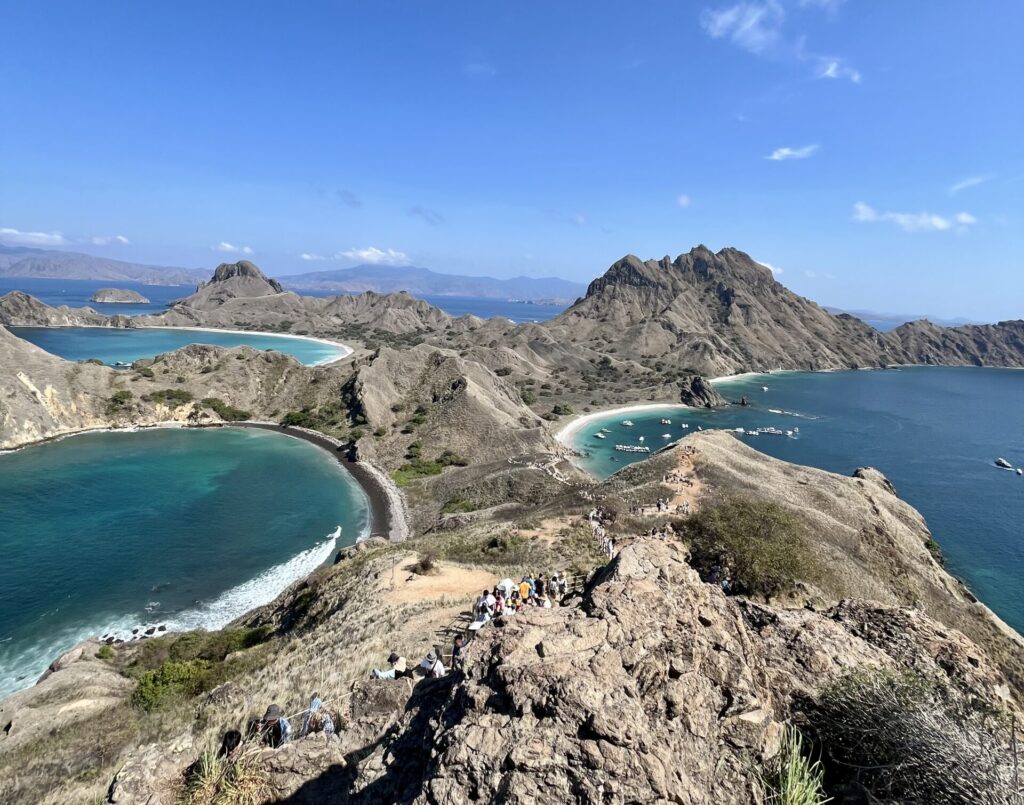
Komodo National Park isn't just a single island.
It's an archipelago that includes Komodo Island, Rinca, Padar, and many others.
There are several ways to explore it:
you can choose a one-day boat tour or a three-day mini cruise.
On Komodo Island, you'll have the chance to see the iconic Komodo dragons.
Most likely, you'll find them resting motionless beneath the trees, just as I did.
That's perfectly normal, they spend most of the day resting, especially during the hottest hours.
Pink Beach
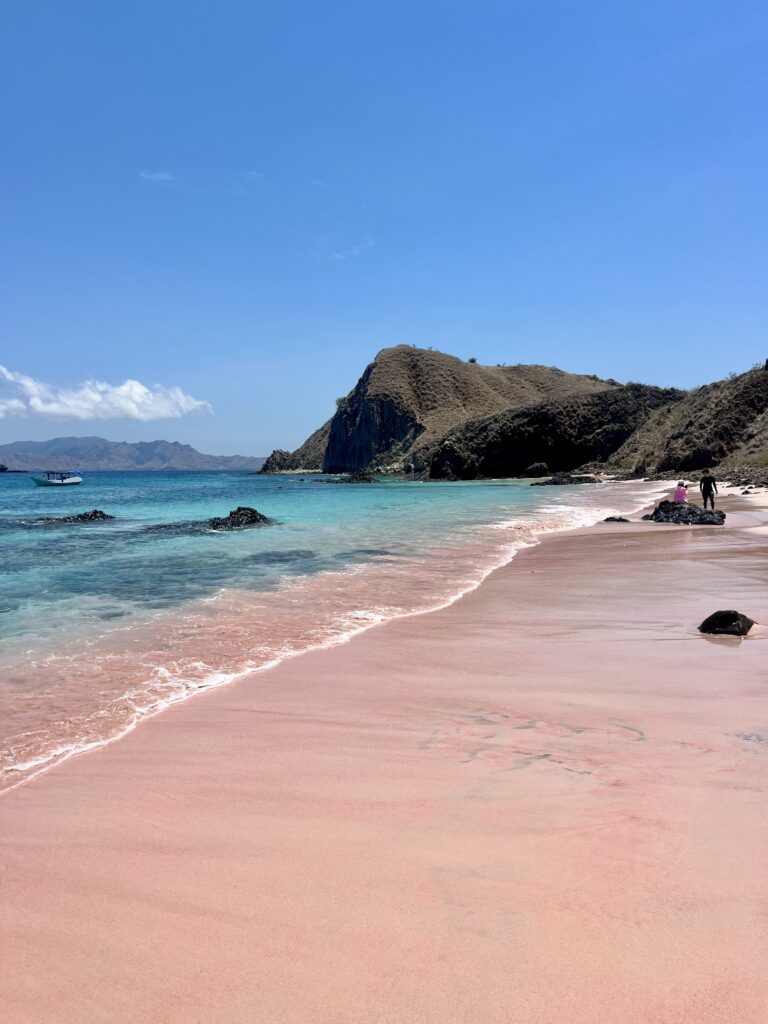
One of the most famous stops is Pink Beach, located on Komodo Island.
Its pink color comes from tiny fragments of red coral mixed with the white sand.
It's a soft shade of pink that changes depending on the light and the concentration of coral fragments, making the color appear more or less intense.
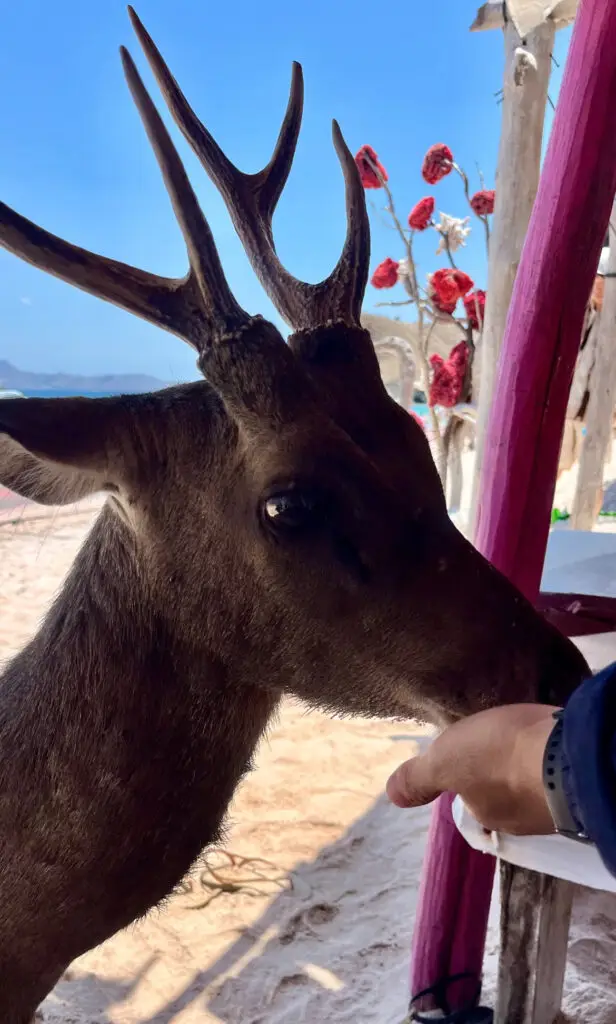
Along the beach, you may also spot Timor deer. Although they're wild, they've become accustomed to visitors and often approach people looking for food.
Unfortunately, they are also one of the Komodo dragons' main prey.
Snorkeling in Komodo National Park
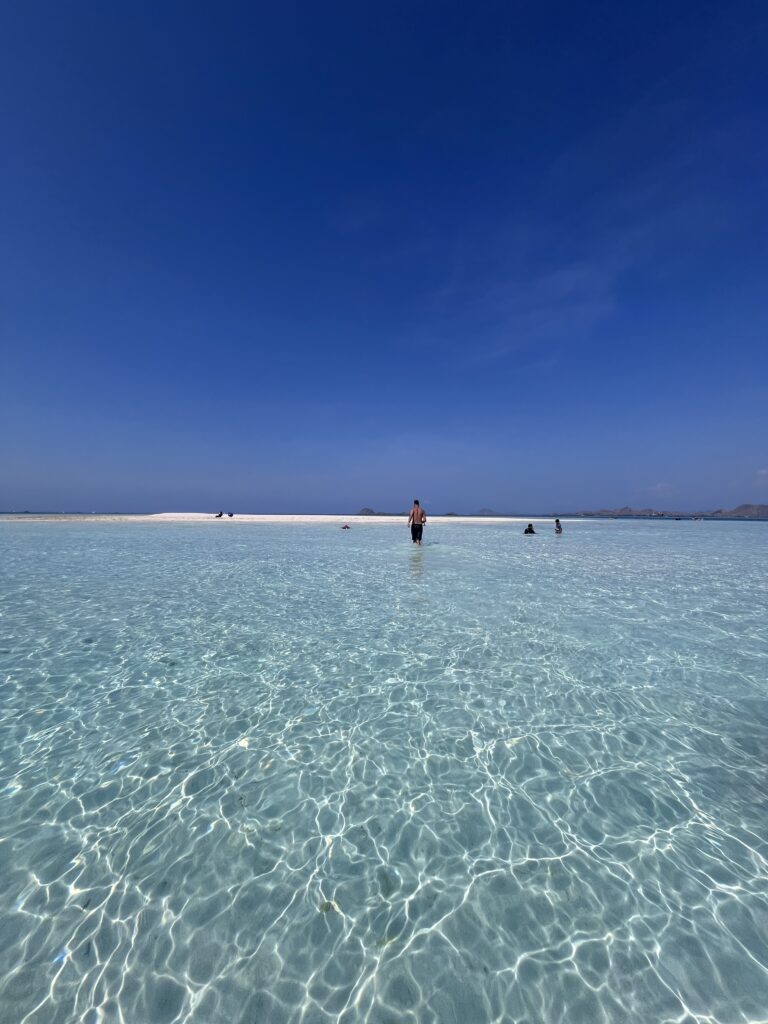
Between Rinca and Komodo Island, you'll find some of the best snorkeling spots, including Manta Point in the Makassar Strait.
The current here is strong, and the sea is full of life.
You'll swim above stunning coral gardens as the water carries you along.
This is where I saw a huge manta ray for the first time:
black on top, with a white belly.
All around me were fish and marine life of every color and size. From above, it looked like flying over an underwater forest.
An Experience That Changed the Way I See the Ocean
This was one of the most unforgettable experiences of my trip.
There are many incredible places for diving and snorkeling in this part of Indonesia, far better, in my opinion, than the Gili Islands.
It was here that I truly fell in love with marine life for the first time.
I also believe this experience helped me overcome the fear I'd been carrying since my dolphin encounter in Lovina, Bali.
For many travelers, Labuan Bajo is just a gateway to Komodo National Park.
But to me, it became so much more.